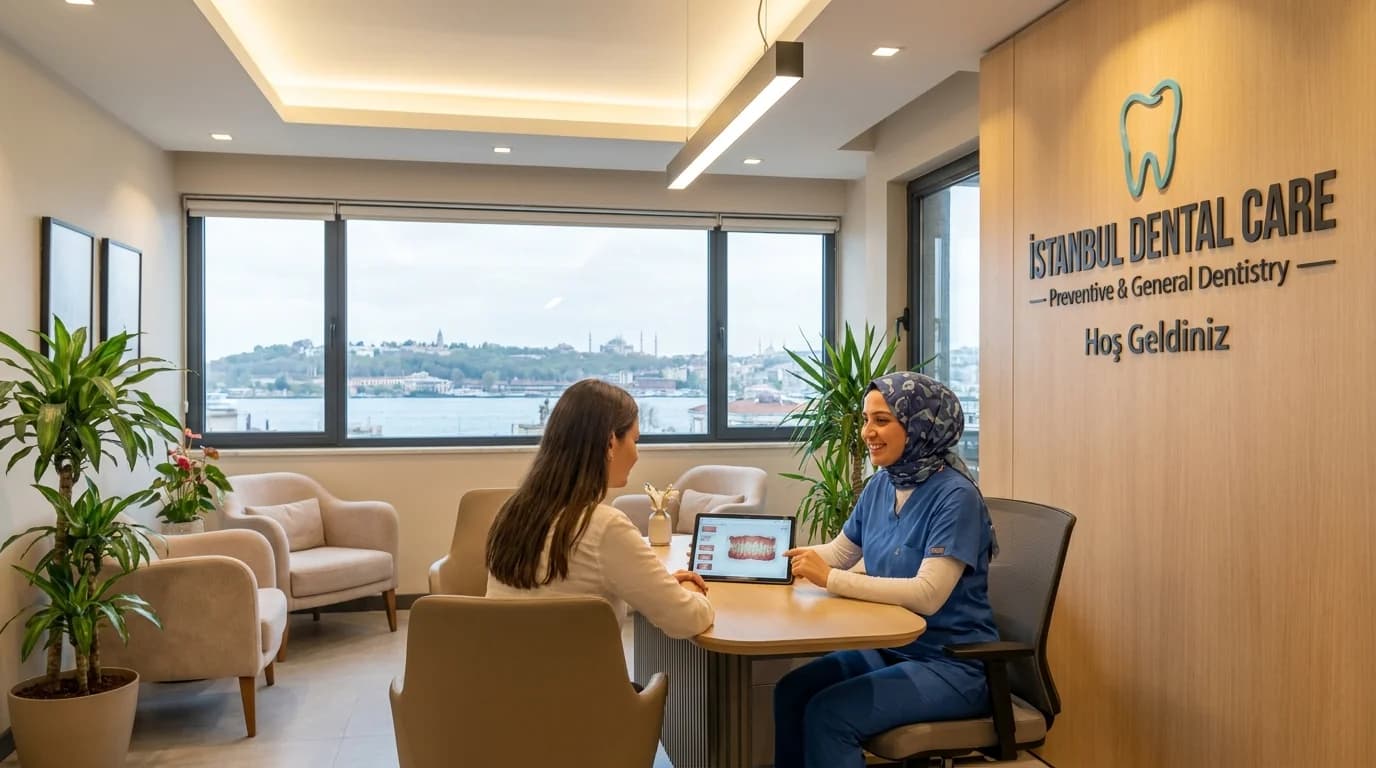
What Is Oral and Dental Health?
Oral and dental health is a broad field of medicine encompassing the preservation — and, when necessary, treatment — of the teeth, gums, jaw, and all soft tissues inside the mouth. It extends well beyond treating cavities to include gum disease, oral infections, cracked or broken teeth, and occlusion (bite) disorders, among many other conditions.
Also known as general dentistry, this service forms the foundation of all dental care. Proceeding to advanced procedures such as cosmetic work or implants without first assessing a patient's oral health is neither ethically nor clinically appropriate. For this reason, every patient journey at VDS Dental begins with a comprehensive oral and dental health examination.
The link between oral health and overall health has become increasingly clear through research conducted in recent years. Uncontrolled gum inflammation (periodontitis) is known to be associated with cardiovascular disease, type 2 diabetes, and the risk of premature birth. Oral and dental health is therefore critical not only for an attractive smile, but for the body's general wellbeing.
When Is It Necessary?
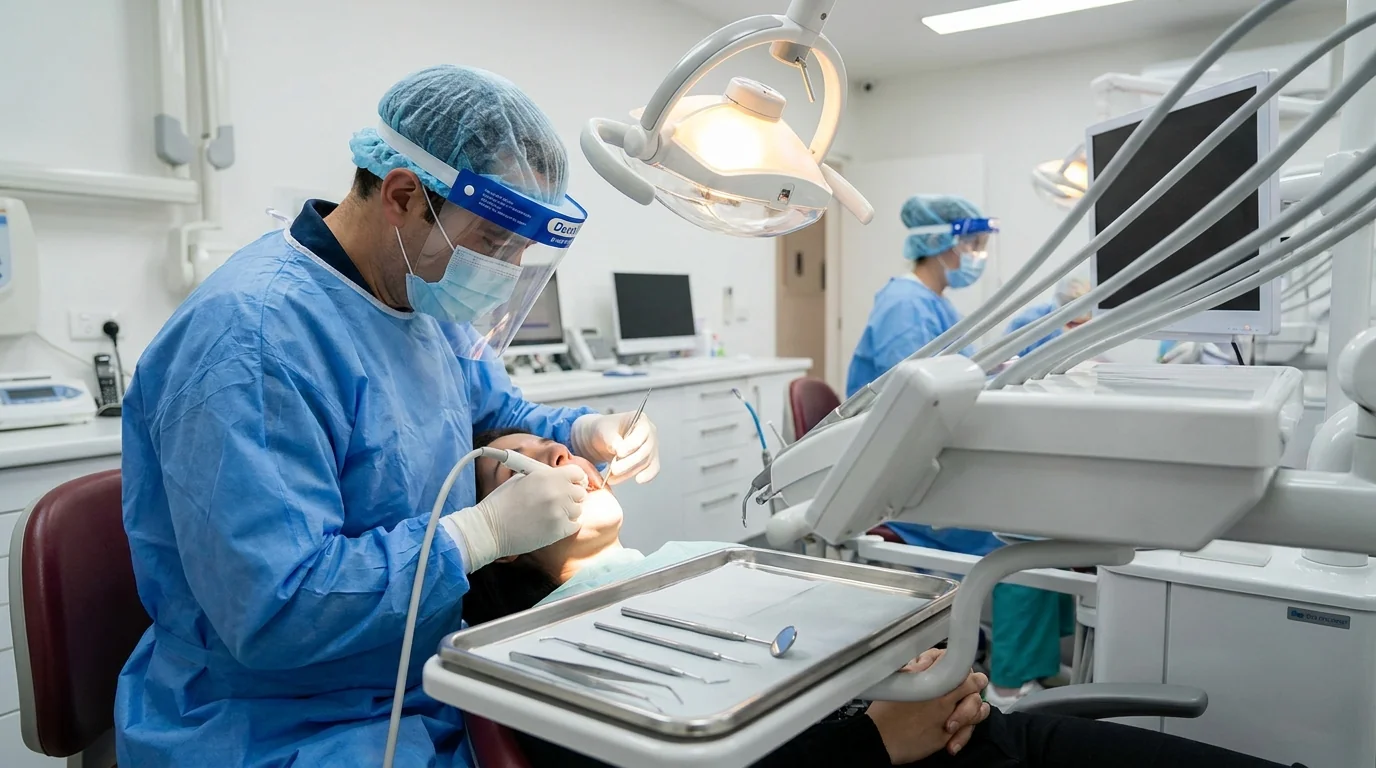
An oral and dental health check-up is not a reactive measure taken only when something is wrong; it is a preventive routine that should be carried out at regular intervals. Dentists recommend that every individual undergo a general examination every 6 to 12 months. These appointments combine X-ray imaging, gum measurements, and a detailed clinical inspection of the mouth.
That said, certain signs and situations call for an urgent or closely monitored visit. If you are experiencing any of the following, you are advised to see a dentist without delay.
- Persistent or worsening pain in a tooth or the jaw area
- Bleeding, swelling, or receding gums
- Sensitivity when biting or a noticeable change in how your teeth come together
- Discolouration, darkening, or roughening of tooth surfaces
- Persistent bad breath (halitosis)
- A broken, cracked, or chipped tooth, or a lost filling
- Marked sensitivity to hot or cold drinks
- Sores inside the mouth that are raised, swollen, or not healing
For children, the first dental visit should take place as soon as the first tooth erupts — and no later than age 1. Regular check-ups begun at an early age play a decisive role in preventing orthodontic and restorative problems that might otherwise develop later in life.
The Treatment Process, Step by Step
General oral and dental health care at VDS Dental follows a defined, consistent protocol. While the protocol can be tailored to each patient's individual needs, the core stages are standardised. The process is designed to eliminate any unexpected surprises along the way.
- Initial examination and medical history: The patient's general health background, current medications, allergies, and dental concerns are listened to in detail. This information forms the basis for both diagnosis and treatment planning.
- Imaging: A panoramic X-ray is taken, or where necessary, a 3D cone beam computed tomography (CBCT) scan. The images reveal problems that cannot be detected by the naked eye.
- Clinical examination: The dentist systematically examines each tooth and the surrounding tissues. Cavity detection, gum pocket measurement, and occlusion assessment are all carried out at this stage.
- Treatment plan presentation: A comprehensive plan is prepared covering the current situation, recommended treatments, alternatives, and costs. The patient gives their approval only after all questions about the process have been answered.
- Treatment delivery: Procedures such as tartar removal, cavity fillings, tooth extractions, root canal therapy, or gum treatment are carried out in the agreed sequence. Pain management is a priority; local anaesthesia is used as standard, with sedation offered where appropriate.
- Follow-up and maintenance: Once treatment is complete, follow-up appointments are scheduled at regular intervals. These visits both safeguard the long-term success of the treatment and catch any new issues at an early stage.
Patients are kept informed at every stage and treated as active participants in the process. At VDS Dental, no procedure is carried out without the patient's prior consent.
Post-Treatment Care and What to Keep in Mind
The success of dental treatment does not rest on clinical intervention alone; the patient's own oral hygiene habits and lifestyle choices after treatment are every bit as important as the procedure itself. Following your dentist's recommendations directly extends the life of your treatment.
- Brush your teeth for at least two minutes, morning and night, with a fluoride toothpaste — at least twice a day.
- Use dental floss or an interdental brush to clean between your teeth; this is the primary source of decay and tartar build-up that a standard toothbrush simply cannot reach.
- Reduce your intake of sugar and acidic drinks; rinse your mouth with water after consuming them.
- Tobacco products seriously damage gum health — cutting down or quitting accelerates gum healing.
- If you have had a filling or root canal, avoid very hard foods for the first 24 hours.
- Use mouthwashes only on your dentist's recommendation; not every rinse is suitable for every patient.
- If you grind your teeth (bruxism), have a custom night guard made to wear while you sleep.
- Do not skip your professional tartar cleaning (prophylaxis) appointment every 6 to 12 months.
If you experience unexpected pain, swelling, or prolonged sensitivity after treatment, it is important to contact the clinic for guidance. VDS Dental's post-treatment communication channels are always open for patients.
Oral and Dental Health at VDS Dental
VDS Dental Istanbul delivers oral and dental health services through a combination of modern technology and an experienced team. Our clinic actively uses digital X-ray systems, 3D tomography devices, and CAD/CAM restoration technology. This infrastructure improves diagnostic accuracy, shortens treatment times, and enhances patient comfort.
The dentists at our clinic hold expertise not only in general dentistry but also in periodontology, endodontics, and restorative dentistry. This multidisciplinary structure means that patients requiring treatment across different specialities can receive it all under one roof. Referrals are kept to a minimum, and there is no wasted time or energy.
VDS Dental also serves international patients. Language support in Turkish, English, and Arabic removes communication barriers, while transfer and accommodation coordination is provided for patients travelling from abroad. Istanbul's strategic location, combined with the comprehensive standard of care at VDS Dental, has made the clinic a preferred destination for both local and international patients.
- Digital panoramic and 3D tomography imaging infrastructure
- Multidisciplinary team of specialist dentists
- Language support in Turkish, English, and Arabic
- Pain-free treatment protocol with sedation option
- Transfer and accommodation support for international patients
- Post-treatment remote follow-up and communication service