
What Is a Dental Filling?
A dental filling is a procedure in which tooth structure damaged by decay, fracture, or wear is repaired using specialized dental materials. One of the most common and effective treatment methods in dentistry, a filling restores both the function and appearance of a damaged tooth. With advances in modern dental materials and techniques, filling treatments have become far more comfortable and longer-lasting.
The primary materials used in dental fillings are composite resin and amalgam. Composite filling is the most widely preferred option today — it blends with the natural color of the tooth and offers an aesthetic result. Amalgam filling is a traditional option made from a mixture of silver, tin, copper, and mercury, known for its durability. In addition, alternative materials such as ceramic and glass ionomer may be used in certain situations.
Dental fillings are not limited to treating cavities; they can also be used to repair chipped, cracked, or worn teeth, close gaps between teeth, and address enamel loss. Early treatment prevents further damage to the tooth and allows it to be preserved without the need for more advanced procedures such as root canal therapy.
When Is a Filling Needed?
The need for a dental filling does not always present as obvious pain. Decay can progress without any symptoms in its early stages, which is why regular dental check-ups are critically important. That said, certain signs can indicate the need for a filling, and ignoring them can allow the condition to worsen.
- Temporary sensitivity when consuming cold, hot, or sweet foods and drinks
- A visible or felt pit or hole in the tooth
- Pain when biting or chewing
- Discoloration or dark spots on the tooth
- A broken, cracked, or lost existing filling
- A rough or sharp edge felt with the tongue
- Food debris consistently getting trapped between the same teeth
If you are experiencing any of the above symptoms, it is recommended that you see a dentist without delay. A small cavity left untreated can progress through the inner layers of the tooth and reach the pulp, which may necessitate root canal treatment or even extraction. Early diagnosis and treatment both protect your tooth and are easier on your budget.
The Treatment Process Step by Step
A dental filling is typically completed in a single appointment and takes an average of 30 to 60 minutes. Before treatment, the dentist performs a thorough examination and takes an X-ray to assess the depth and extent of the decay. Based on this assessment, the most appropriate filling material and method are determined for each patient.
- Examination and diagnosis: The dentist examines the tooth to determine the extent of the decay or damage, and takes an X-ray if needed.
- Local anesthesia: The treatment area is numbed so the patient experiences no pain throughout the procedure.
- Decay removal: The damaged tooth structure is completely removed using rotary instruments and, where appropriate, laser technology.
- Cavity preparation: The tooth surface is shaped to ensure a strong bond for the filling, and a bonding agent is applied if required.
- Filling placement: The chosen material is placed inside the tooth in layers.
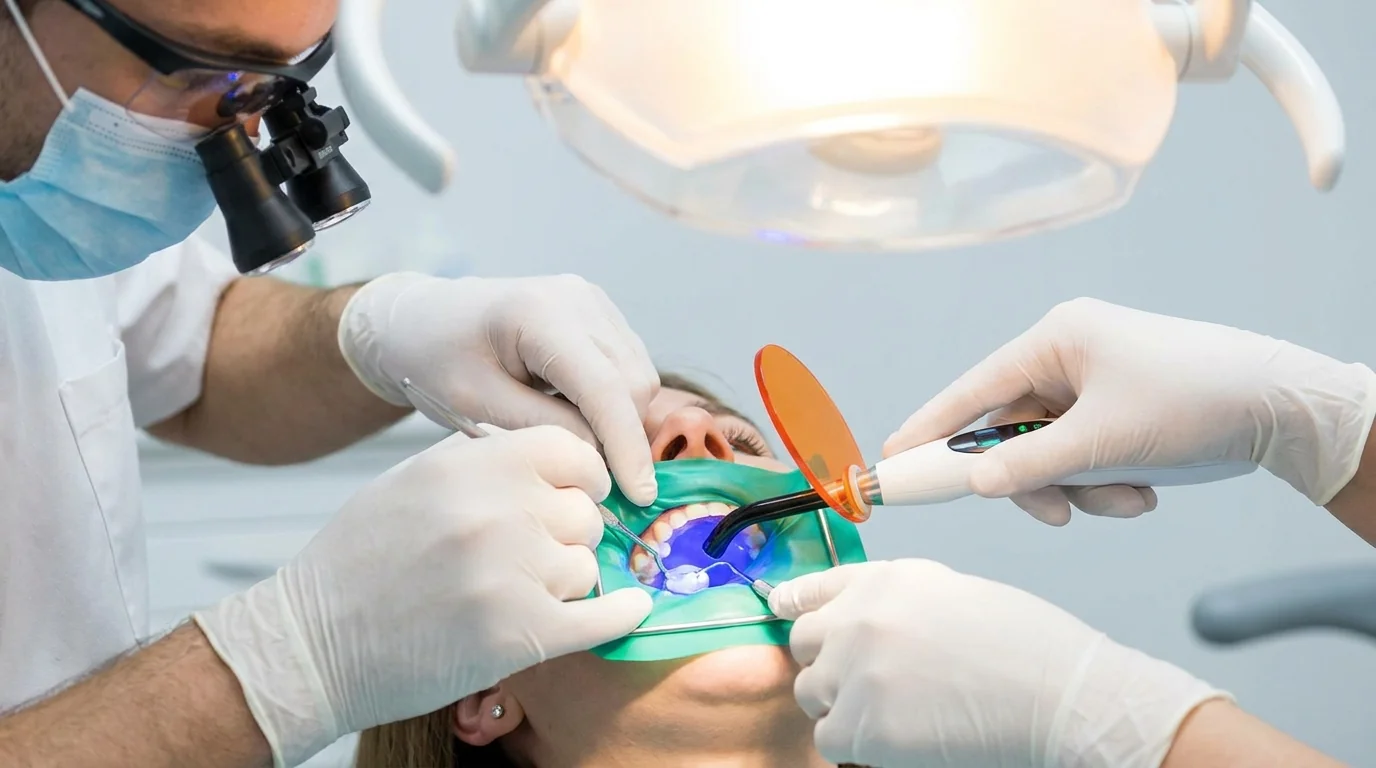
- Light curing: A special blue light is used to harden composite filling material within seconds.
- Bite check and finishing: The patient's bite is verified, and the filling surface is polished to complete the procedure.
Thanks to anesthesia, no pain is felt during the procedure. Some patients may experience a few hours of numbness after the anesthetic — this is completely normal. Patients can return to their daily routine immediately after the procedure; however, it is advisable to avoid eating until the anesthetic has fully worn off.
Aftercare and What to Keep in Mind

The success of a filling depends not only on the quality of the procedure but also on the care the patient takes afterwards. Good oral hygiene habits can significantly extend the life of a filling while supporting overall oral health. Following a few simple guidelines right after treatment helps prevent potential issues from the start.
- Avoid eating and drinking hot beverages until the anesthesia has completely worn off (usually 1–3 hours).
- For the first 24–48 hours, avoid excessively hard, sticky, or very hot or cold foods.
- Brush your teeth at least twice a day with a soft-bristled toothbrush and floss daily.
- If you clench or grind your teeth at night, discuss the use of a nightguard with your dentist.
- Limit habits that can stain fillings, such as smoking and drinking coffee, as much as possible.
- Visit your dentist for a check-up every six months to monitor the condition of your filling.
Mild sensitivity or discomfort when biting for a few days after treatment is normal and typically resolves on its own. However, if pain intensifies, the filling comes out, or your bite feels off, contact your clinic as soon as possible to schedule a follow-up appointment. Early intervention prevents potential complications.
Composite fillings can last an average of 5 to 10 years, while amalgam fillings can last 10 to 15 years or longer. The lifespan of a filling depends on factors such as the quality of the material used, the size of the filling, and the patient's oral hygiene and chewing habits. Regular check-ups allow fillings to be replaced in a timely manner, preventing further damage to the tooth.
Dental Fillings at VDS Dental
VDS Dental Istanbul performs dental filling treatments using the latest materials and equipment. Our specialist dentists assess each patient's oral anatomy and individual needs to determine the most suitable treatment plan. International sterilization protocols are followed at every stage to ensure patient safety is always the top priority.
At our clinic, color matching in composite filling procedures is handled with particular precision. Selecting a material that exactly matches the natural shade of the tooth ensures the filled tooth is virtually undetectable after treatment. Patients with aesthetic concerns are offered comprehensive shade analysis and filling design.
- Precise diagnosis with digital X-ray and intraoral camera
- Aesthetically focused, natural-looking composite filling options
- Advanced anesthesia techniques for a pain-free experience
- Single-appointment treatment that saves you time
- A hygienic environment that meets international sterilization standards
- Post-treatment follow-up and complimentary check-up visits
At VDS Dental Istanbul, our goal goes beyond treating the tooth — we aim to make a lasting contribution to our patients' overall oral health. Alongside filling treatment, we conduct a comprehensive dental health assessment to identify any issues that may arise in the future before they develop. Contact the VDS Dental Istanbul team today for a pain-free, fast, and long-lasting dental filling treatment.