Zirconia implants in Turkey represent a breakthrough in modern restorative dentistry, offering patients a metal-free alternative to conventional titanium implants without compromising on strength, longevity, or function. Made from zirconium dioxide — a high-performance ceramic material — these implants are engineered to mimic the natural colour and translucency of tooth roots, eliminating the common aesthetic concern of a grey or bluish shadow appearing at the gum line over time. As one of the fastest-growing dental treatment destinations in the world, Turkey combines internationally trained specialists, state-of-the-art clinics, and highly competitive pricing to deliver zirconia implant outcomes that meet and often exceed the standards found in Western Europe or North America. Whether you have metal sensitivities, prioritise aesthetics, or simply want the most advanced biocompatible option available, zirconia implants in Turkey offer a compelling solution that is transforming the way patients restore their smiles.
What Are Zirconia Dental Implants?
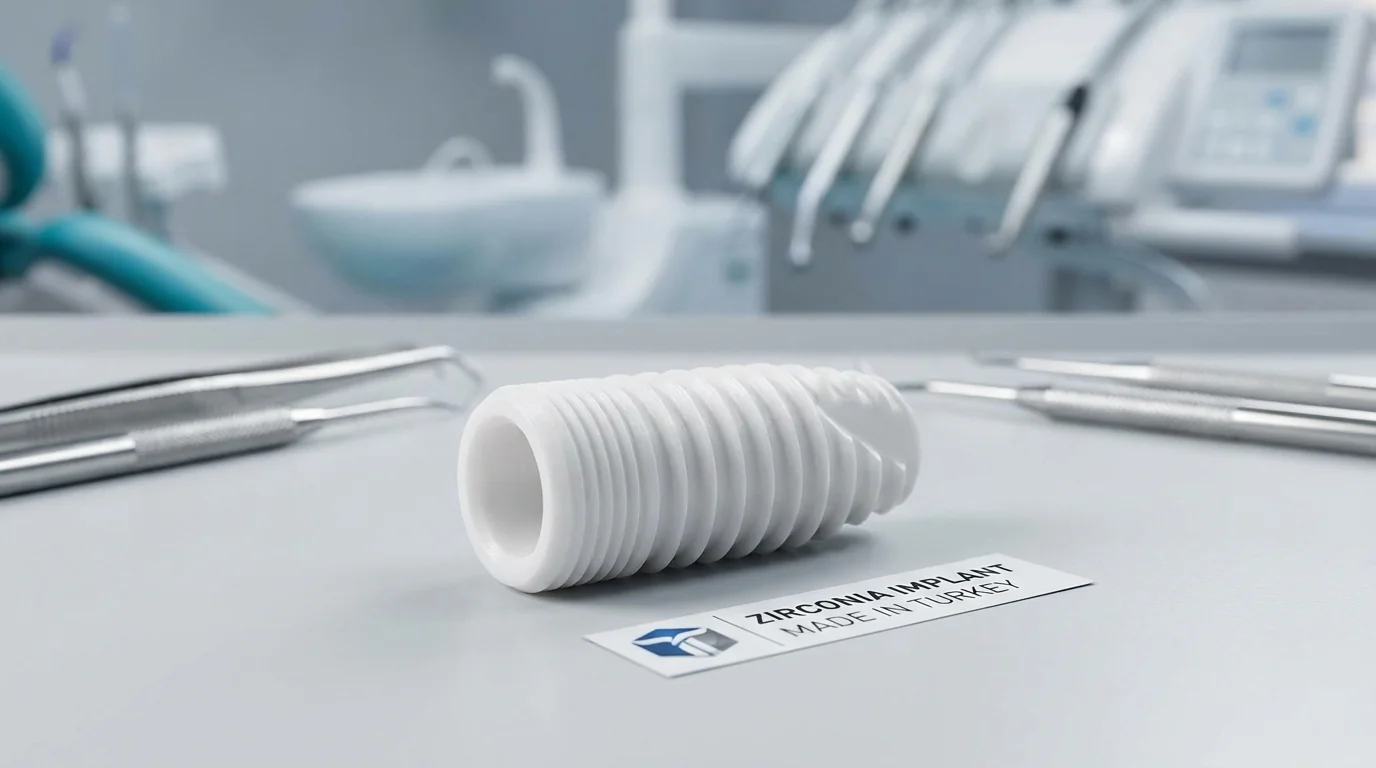
Zirconia dental implants are one-piece or two-piece implant systems crafted entirely from zirconium dioxide ceramic rather than titanium metal. Zirconium dioxide is a biocompatible, tooth-coloured material that has been used in high-performance dental crowns for decades, and it has now evolved into a full implant substrate capable of supporting single crowns, bridges, and even full-arch restorations. The implant itself — the portion anchored into the jawbone — is white or off-white, meaning that even if the gum tissue recedes slightly over time, there is no visible metallic shadow. This makes zirconia implants particularly popular among patients with thin or translucent gum tissue, those who have experienced recession in the past, or anyone for whom a natural, all-white smile is a priority.
Beyond aesthetics, zirconia is celebrated for its exceptional hardness, corrosion resistance, and low bacterial adhesion. Clinical studies indicate that the smooth surface of zirconia is less hospitable to plaque and bacteria compared to some titanium surfaces, which may contribute to healthier peri-implant tissue over the long term. Zirconia is also entirely non-conductive and non-magnetic, making it completely MRI-safe — patients with zirconia implants can undergo MRI scanning without concern about implant interference or image distortion.
Why Choose Turkey for Zirconia Implants?
Turkey has established itself as a leading destination for dental tourism, and for good reason. Turkish dental clinics — particularly those in Istanbul, Ankara, Izmir, and Antalya — frequently invest in the latest imaging, milling, and surgical technologies, including cone beam CT scanning, digital implant planning software, and CAD/CAM prosthetic fabrication. The dentists performing these procedures are typically trained to European standards, hold memberships in international implantology associations, and operate under the oversight of Turkey's Ministry of Health, which enforces rigorous clinical standards.
The cost advantage is significant. Patients from the United Kingdom, Germany, the Netherlands, and other Western European countries routinely find that the total cost of zirconia implants in Turkey — including flights, accommodation, and all clinical fees — remains substantially lower than the implant fee alone in their home country. This is not a reflection of lower quality but rather of Turkey's lower operational costs, favourable exchange rates, and a highly competitive dental tourism market that keeps prices accessible. Many clinics serving international patients offer dedicated patient coordinators, airport transfers, hotel partnerships, and multilingual support, making the entire treatment journey straightforward and stress-free.
Who Is a Good Candidate for Zirconia Implants?
Zirconia implants are suitable for a broad range of patients, but they are especially recommended in the following circumstances. A thorough assessment by your implantologist — including a cone beam CT scan — is always required before treatment planning, as bone density and volume remain the primary eligibility criteria regardless of implant material.
- Patients with diagnosed or suspected metal allergies or sensitivities, particularly to nickel or titanium
- Individuals concerned about the aesthetic appearance of a metallic implant root showing through the gum line
- Patients who require MRI scanning regularly due to an underlying medical condition
- Those who follow a holistic or biologic approach to dentistry and prefer metal-free dental solutions
- Patients replacing front teeth where aesthetic translucency at the gum level is critical
- Anyone who has experienced gum recession and wants to minimise the visual impact of a darker implant post
- Health-conscious individuals seeking the lowest possible bacterial adhesion at the implant site
The Zirconia Implant Treatment Process in Turkey
Most patients travelling to Turkey for zirconia implants complete their treatment across two visits or, in straightforward cases involving immediate loading protocols, within a single extended visit. During the initial consultation and planning phase, your dental team will take a full cone beam CT scan to evaluate bone quality and quantity, review your medical history, and develop a customised surgical plan. Digital smile design tools are often used to preview the aesthetic outcome before any work begins, giving you full visibility of your expected results.
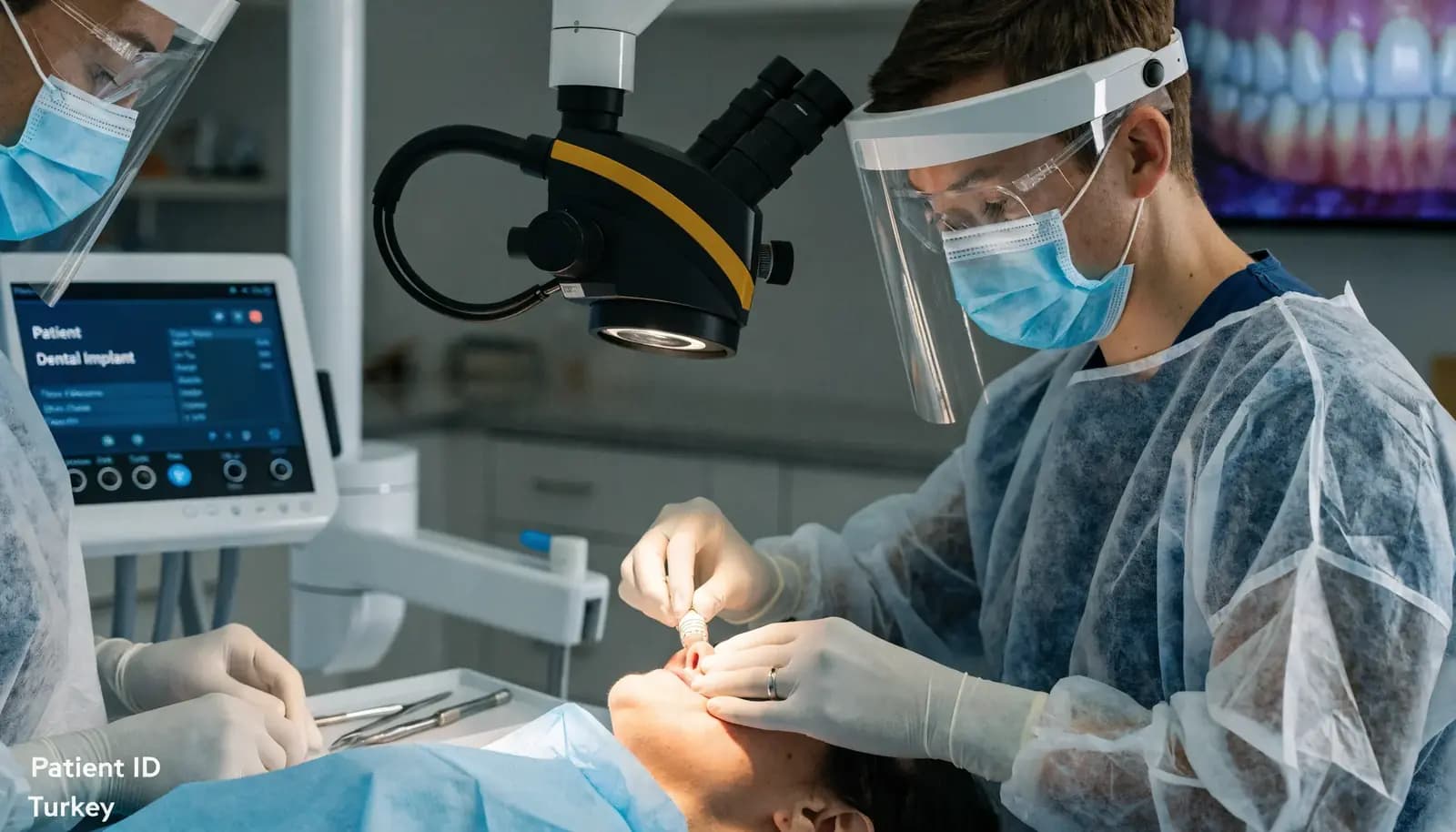
Surgical placement of the zirconia implant is performed under local anaesthesia, with sedation options available for anxious patients. The implant is positioned precisely in the jawbone, and a healing cap or provisional crown may be placed depending on the protocol chosen. The osseointegration period — during which the jawbone fuses to the ceramic surface — typically takes three to six months. Once healing is confirmed, the final crown or bridge is fabricated and permanently attached. Throughout this process, your clinic's patient coordination team will manage communication, send detailed aftercare instructions, and schedule your follow-up appointments to coincide with any planned return visit.
Results, Durability, and Long-Term Success
Clinical data on zirconia implants continues to mature, and the published literature is increasingly encouraging. Long-term studies tracking zirconia implants over five to ten years report survival rates that compare favourably with titanium — typically in the range of 95 to 98 percent when placed in patients with adequate bone volume and good oral hygiene habits. Zirconia's hardness (rated at approximately 1200 on the Vickers scale) means it is highly resistant to fracture under normal biting forces, although patients who grind their teeth may be advised to wear a night guard as a precaution.
Aesthetically, the results of zirconia implants are consistently described by patients as the most natural-looking tooth replacement they have experienced. The white ceramic post ensures that the gum tissue above the implant maintains a healthy pink appearance regardless of tissue thickness or recession patterns. Crowns placed on zirconia implants — whether full-zirconia or layered zirconia-porcelain — benefit from the bright underlying substrate, producing restorations with exceptional light reflection and depth that closely mimic natural enamel.
Cost of Zirconia Implants in Turkey
The cost of a single zirconia implant in Turkey, inclusive of the implant post, abutment, and final crown, typically ranges between 600 and 1,200 EUR depending on the brand of implant used, the complexity of the case, and the specific clinic. Premium clinics using top-tier European or Swiss zirconia implant systems may charge toward the higher end of this range, while still offering prices that represent savings of 50 to 70 percent compared to equivalent treatment in Germany, the UK, or Scandinavia. For patients requiring multiple implants or full-arch restorations, the savings are even more pronounced.
- Single zirconia implant (implant + abutment + crown): approximately 600 to 1,200 EUR in Turkey
- Equivalent cost in the United Kingdom: typically 2,500 to 3,500 GBP per implant
- Equivalent cost in Germany: typically 2,000 to 3,500 EUR per implant
- Full-arch zirconia implant bridge (4 or 6 implants): approximately 4,000 to 8,000 EUR in Turkey
- Many Turkish clinics offer all-inclusive packages covering consultation, CT scan, surgery, and crown
- Treatment financing plans are available at selected clinics for larger cases
Is a Zirconia Implant Right for You?
Choosing between zirconia and titanium implants is a decision best made in consultation with an experienced implantologist who can evaluate your specific anatomy, aesthetic goals, and health profile. Zirconia is an outstanding choice for patients who place a high value on aesthetics, have metal-related health concerns, or require full metal-free oral rehabilitation. It is particularly well-suited to the anterior (front) region of the mouth where natural appearance is paramount. For patients with very high bite forces, heavy grinding habits, or severely compromised bone requiring extensive augmentation, your clinician may recommend titanium for its slightly more established long-term dataset or its availability in more complex surgical configurations. That said, zirconia implant technology has advanced substantially and continues to close this gap.
If you are considering zirconia implants in Turkey, the most important first step is to obtain a thorough online or in-person consultation from a reputable clinic. Reputable providers will always request your dental records and a panoramic X-ray or CBCT scan before issuing a treatment plan and price estimate, ensuring that the proposal is based on your actual clinical situation rather than a generic quote. With the right clinic and the right case selection, zirconia implants in Turkey can deliver a lifetime of confident, metal-free smiles at a fraction of the cost you would expect to pay closer to home.