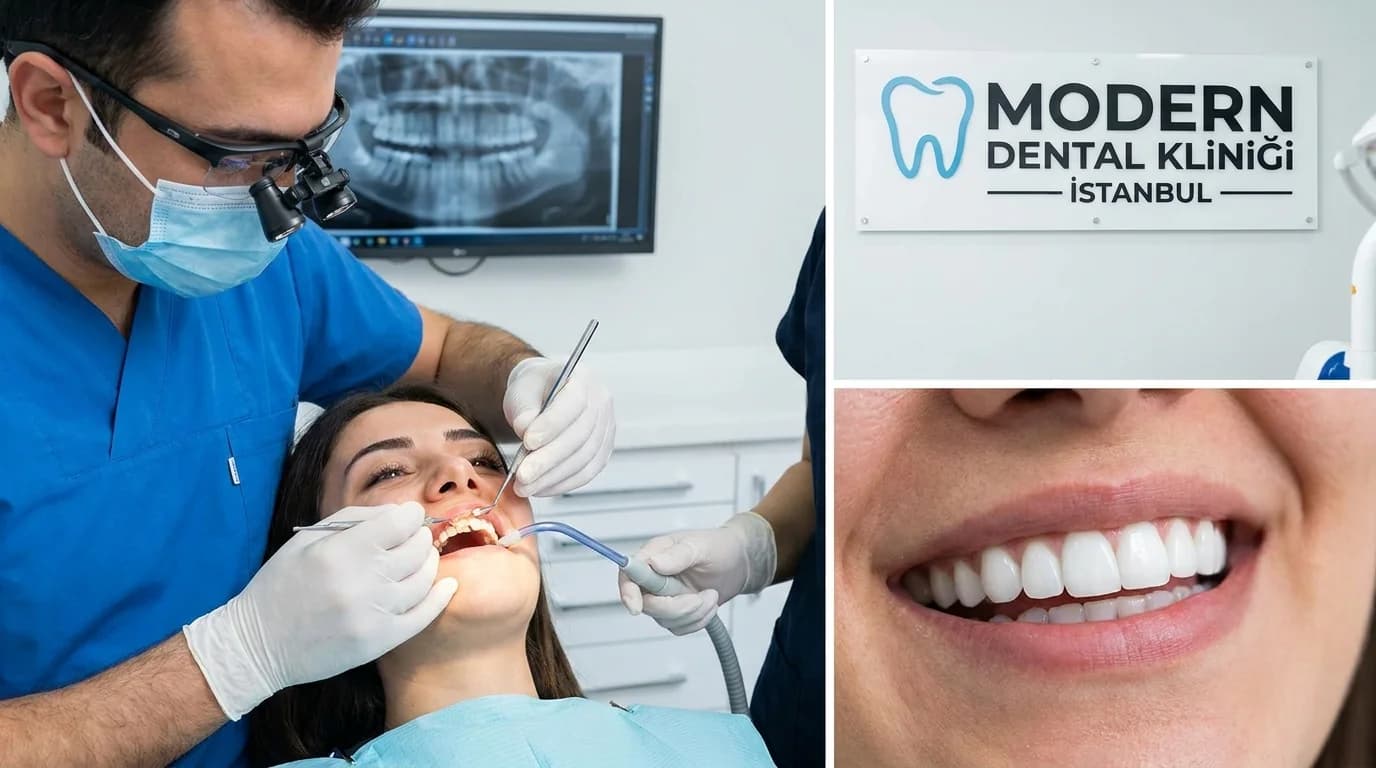
Composite bonding in Turkey has become one of the most sought-after cosmetic dental treatments for patients looking to correct minor imperfections quickly, affordably, and without extensive dental work. Whether you have a chipped front tooth, small gaps between teeth, surface discolouration that whitening cannot resolve, or slightly uneven edges, composite bonding offers a fast, minimally invasive solution that delivers stunning results in a single visit. Turkey has firmly established itself as a world-class destination for this treatment, combining highly trained cosmetic dentists, modern clinics, and prices that are a fraction of what patients would pay in the UK, Europe, or North America. If you are considering improving your smile without committing to irreversible procedures, composite bonding in Turkey may be exactly the right choice for you.
What Is Composite Bonding?
Composite bonding is a cosmetic dental procedure in which a tooth-coloured resin material is applied directly to the surface of one or more teeth and then sculpted, shaped, and hardened using a special curing light. The composite resin used in bonding is formulated to closely mimic the natural appearance of tooth enamel, reflecting light in a way that blends seamlessly with your surrounding teeth. Unlike porcelain veneers, which are manufactured in a laboratory and require two or more appointments, composite bonding is performed entirely chairside in a single session. The dentist carefully selects a shade of resin that matches your natural teeth, applies it in thin layers, moulds it to the desired shape, polishes it to a high shine, and bonds it permanently to the tooth surface using an adhesive and curing light.
The procedure typically requires little to no removal of natural tooth enamel, making it one of the most conservative cosmetic treatments available today. This also means it is largely reversible — if you later decide to explore other options such as porcelain veneers, your natural teeth remain largely intact. Composite bonding is an excellent solution for chips, cracks, gaps, mild crowding, short teeth, irregular shapes, and teeth affected by staining that cannot be resolved through professional whitening alone.
Why Choose Turkey for Composite Bonding?
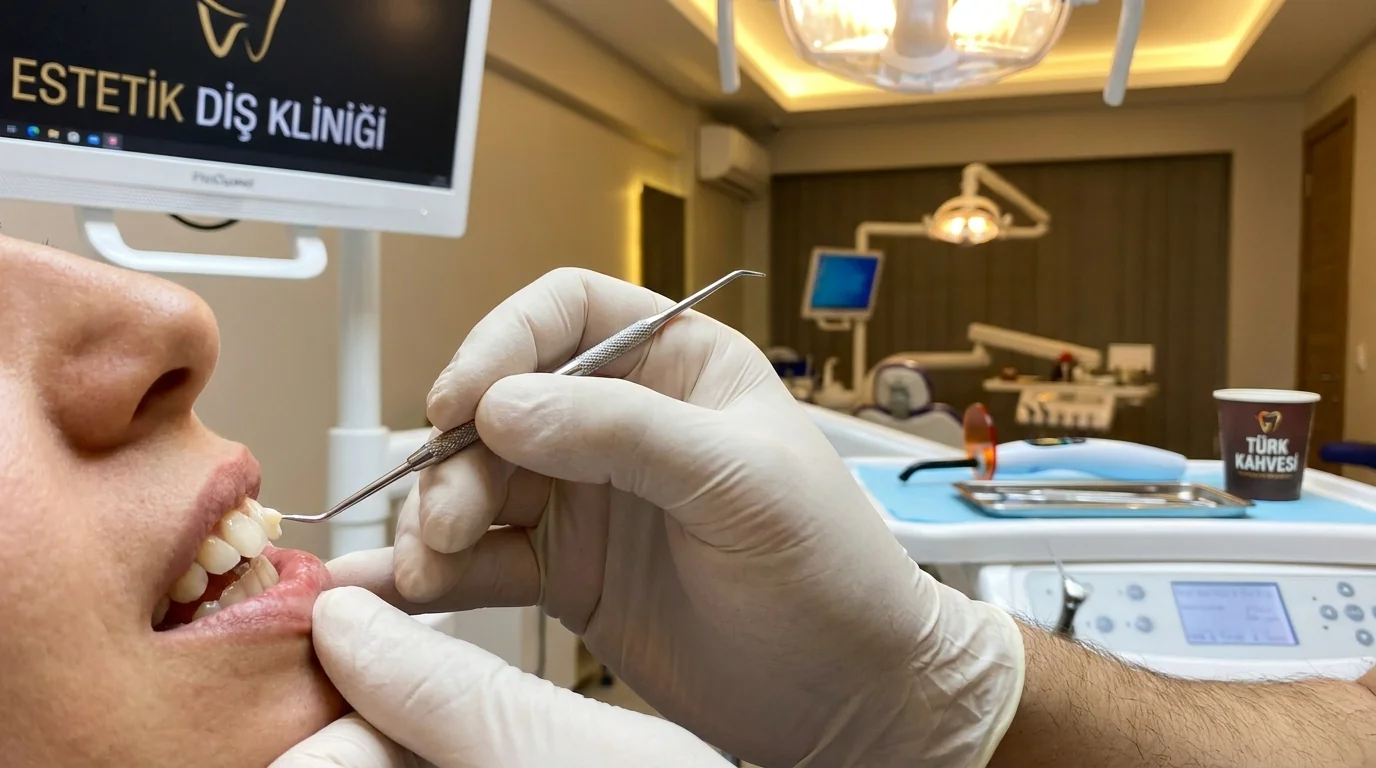
Turkey has earned an exceptional reputation in the field of cosmetic and restorative dentistry over the past decade. Dental clinics across major cities such as Istanbul, Antalya, Izmir, and Ankara are equipped with state-of-the-art technology and staffed by dentists who have trained at prestigious universities both in Turkey and abroad. Many Turkish cosmetic dentists hold international certifications and are active members of European and global dental associations, ensuring that clinical standards meet or exceed those found in Western countries.
The cost advantage is equally compelling. Patients travelling to Turkey for composite bonding can expect to save between 50 and 75 percent compared to prices in the United Kingdom, Germany, or the United States — without any compromise in quality. The lower cost of living and operating expenses in Turkey allows clinics to offer premium treatments at accessible prices. Many clinics also provide comprehensive patient support packages that include airport transfers, accommodation assistance, and multi-language treatment coordinators, making the entire experience smooth and stress-free for international visitors.
Who Is Composite Bonding Suitable For?
Composite bonding is a versatile treatment that suits a wide range of patients and aesthetic concerns. It is particularly well-suited for adults who want to make noticeable improvements to the appearance of their teeth without undergoing more invasive procedures. Good candidates for composite bonding are those who have generally healthy teeth and gums, with no active decay or significant periodontal disease. The following conditions are among the most commonly treated with composite bonding:
- Chipped or broken teeth caused by accidents or wear
- Small gaps or spaces between teeth (diastemas)
- Teeth with surface staining or discolouration resistant to whitening
- Teeth that are slightly shorter than neighbouring teeth
- Minor crowding or irregular tooth shapes
- Exposed root surfaces caused by gum recession
- Worn or uneven tooth edges due to grinding or ageing
Composite bonding is generally not recommended for patients with severely misaligned teeth, significant bite problems, or extensive tooth decay. During your consultation, the dentist will assess the health of your teeth and gums and advise whether composite bonding is the most appropriate treatment for your specific situation, or whether an alternative such as porcelain veneers or orthodontic treatment would produce better long-term results.
The Composite Bonding Treatment Process
One of the biggest advantages of composite bonding is the simplicity and speed of the process. Unlike many other cosmetic dental treatments that require laboratory fabrication and multiple appointments, composite bonding is completed entirely during a single dental visit. Here is a step-by-step overview of what to expect during your composite bonding appointment in Turkey:
- Consultation and shade selection: Your dentist examines your teeth, discusses your desired outcome, and selects a resin shade that closely matches your natural enamel.
- Surface preparation: The tooth surface is lightly etched with a mild conditioning gel to help the bonding material adhere securely. In most cases, no anaesthesia is needed unless decay is being addressed.
- Resin application: The tooth-coloured composite resin is applied to the tooth in thin, controlled layers, allowing the dentist to build up the desired shape and contour.
- Sculpting and shaping: The dentist carefully moulds and sculpts the resin while it remains pliable, ensuring a natural appearance and correct bite alignment.
- Curing and hardening: A specialised blue LED curing light is directed at the resin, hardening it within seconds and bonding it firmly to the tooth surface.
- Finishing and polishing: The bonded tooth is trimmed, shaped, and polished to match the texture and sheen of your natural teeth, producing a seamless, beautiful result.
Results and Durability of Composite Bonding
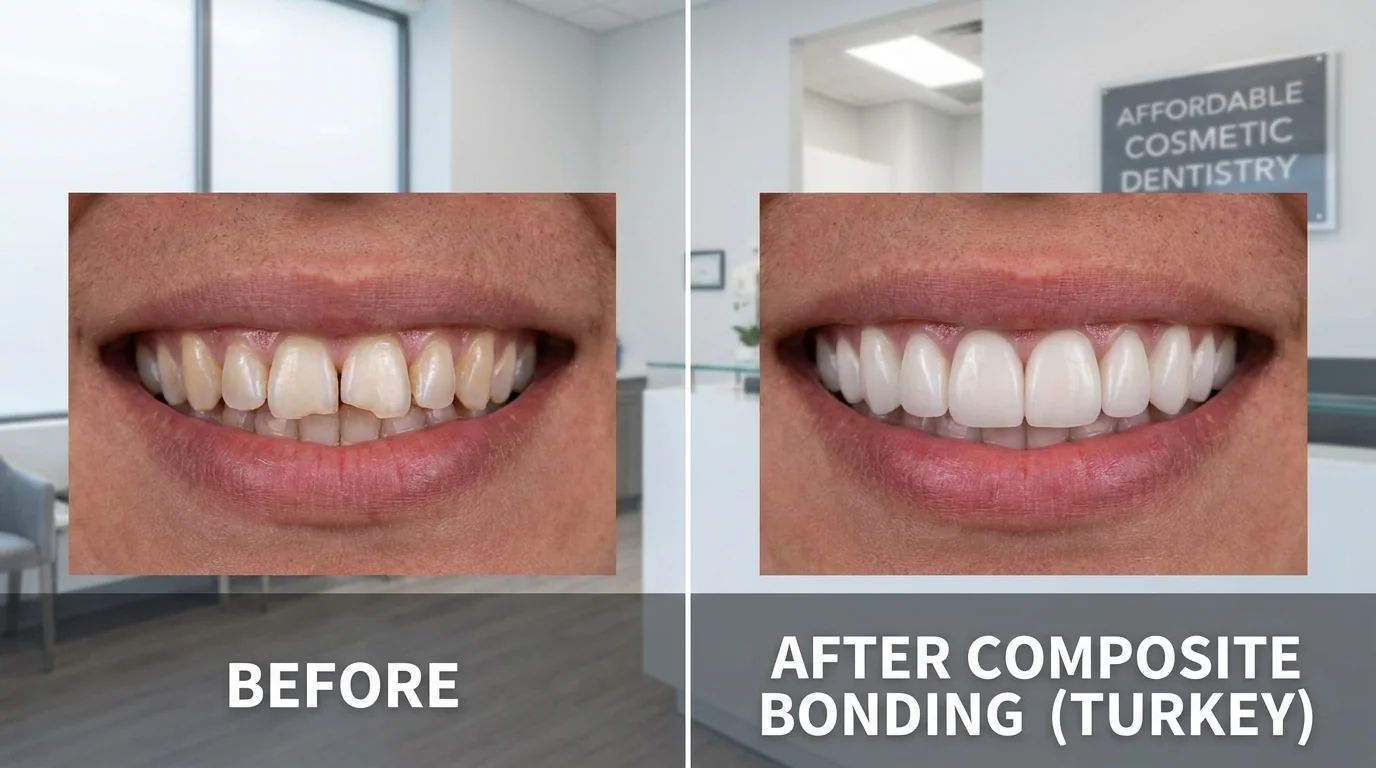
When completed by a skilled cosmetic dentist, composite bonding produces natural-looking results that are virtually indistinguishable from real tooth enamel. The resin is carefully colour-matched and polished to reflect light in a lifelike way, and patients consistently report high satisfaction with the aesthetic outcome of their treatment. Results are immediately visible — you walk into the clinic with imperfections and walk out with a noticeably improved smile.
In terms of longevity, composite bonding typically lasts between five and ten years depending on the location of the bonding, your bite, and how well you maintain your teeth. Bonding on front teeth that are not subjected to heavy biting forces tends to last longer. To maximise the lifespan of your bonding, it is advisable to avoid biting directly into hard foods such as ice or crusty bread, refrain from using your teeth as tools, and wear a night guard if you are prone to grinding. Regular dental check-ups and professional cleaning will also help keep the bonded surfaces looking their best for as long as possible.
Cost of Composite Bonding in Turkey
The cost of composite bonding in Turkey is one of the most significant reasons patients choose to travel for this treatment. In the United Kingdom, composite bonding typically costs between £200 and £400 per tooth, meaning a full smile makeover involving eight to ten teeth could easily total £2,000 to £4,000 or more. In Turkey, the same high-quality treatment is available at a fraction of that price. Costs vary depending on the clinic, the dentist's experience, the number of teeth being treated, and the complexity of the case, but patients can expect to pay considerably less while still receiving care that meets the highest international standards.
When calculating the overall value of travelling to Turkey for composite bonding, it is important to consider the full picture. Even when flights and accommodation are factored in, many patients find that the total cost of their dental trip to Turkey is still significantly lower than the cost of the same treatment at home. Many Turkish clinics offer all-inclusive treatment packages for international patients that cover airport pickup, hotel stays, multiple dental appointments, and aftercare support, making it straightforward to plan and budget for your trip.
Is Composite Bonding Right for You?
If you have been living with chipped, gapped, or discoloured teeth and have been hesitant to pursue treatment due to cost, fear of invasive procedures, or lengthy treatment timelines, composite bonding in Turkey offers an accessible, comfortable, and highly effective solution. The treatment is ideal for patients who want immediate, visible results with minimal disruption to their natural teeth and their daily schedule. Because no laboratory fabrication is required, there is no waiting period — your transformed smile is completed in a single appointment.
The best way to determine whether composite bonding is the right treatment for your specific needs is to schedule a consultation with an experienced cosmetic dentist. Many clinics in Turkey offer free online consultations for international patients, allowing you to share photographs of your teeth and receive a personalised treatment recommendation and cost estimate before committing to travel. The combination of clinical excellence, patient-centred care, and outstanding affordability makes Turkey one of the world's leading destinations for composite bonding, and thousands of international patients return home each year with the smile they have always wanted.